
How to Write a Picture Book for Kids: A Step-by-Step Guide
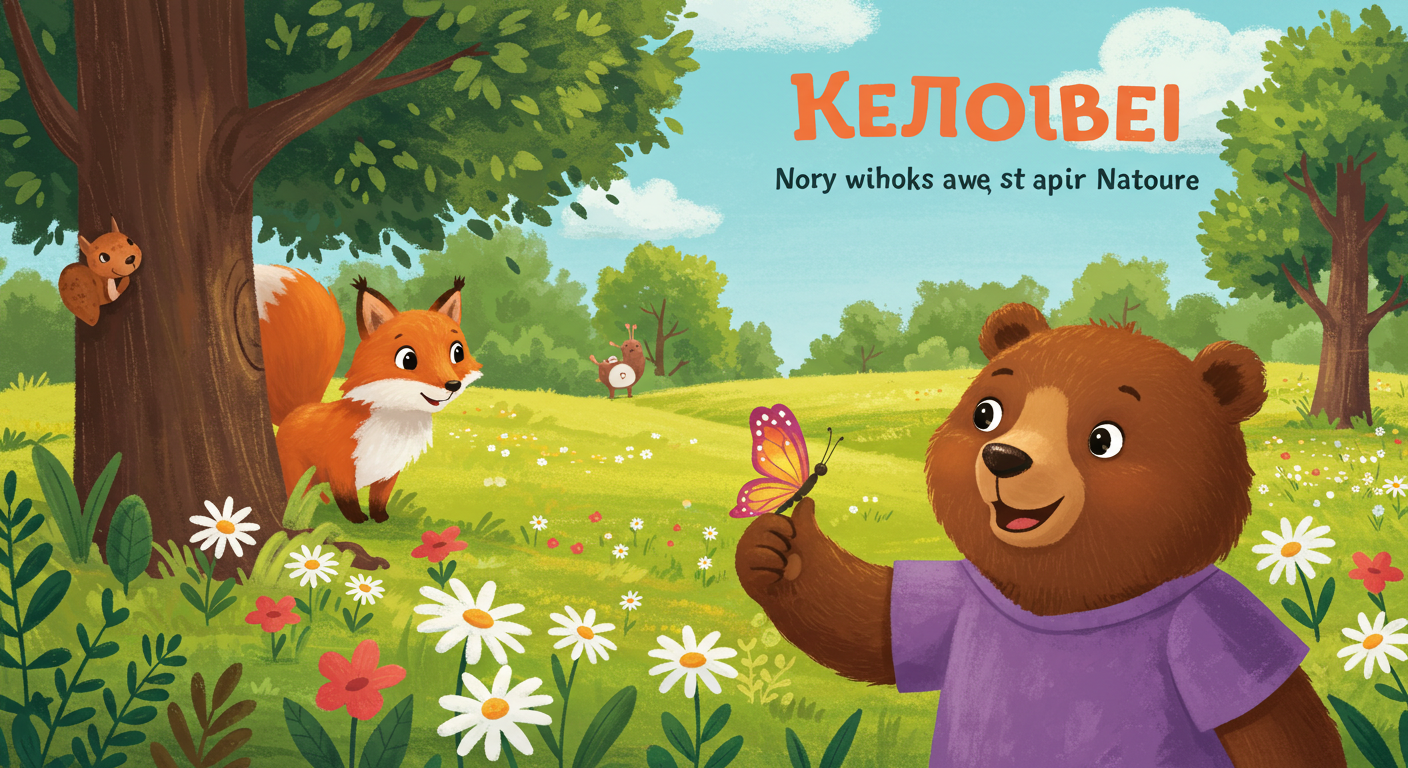
Writing a picture book for kids is both an art and a science. A great picture book combines an engaging story with vibrant illustrations to capture young readers’ attention. Whether you’re an aspiring author or a parent with a story to tell, this guide will walk you through how to write a picture book that delights children and stands out in the market.
1. Understand Your Audience
Picture books are typically for children aged 3 to 7 years old. Consider:
- Language Simplicity: Short, easy-to-understand sentences.
- Engaging Themes: Stories about friendship, adventure, emotions, or problem-solving.
- Repetition & Rhythm: Kids love predictable patterns and rhyming.
📌 Tip: Read popular picture books like The Very Hungry Caterpillar or Where the Wild Things Are to analyze their structure.
2. Come Up with a Unique Idea
A strong picture book idea is simple, yet impactful. Ask yourself:
- What message do I want to convey?
- Is my story fun and relatable for kids?
- Can illustrations enhance the storytelling?
Brainstorm unique twists on familiar themes, such as:
- Friendship: A cat and a mouse who become best friends.
- Problem-Solving: A little robot who fixes broken toys.
- Imagination: A child who can jump into storybooks.
3. Develop a Memorable Main Character
Your protagonist should be relatable, engaging, and expressive. Think about:
- A strong personality trait: Brave, curious, or funny.
- A clear goal or problem: Something a child can understand.
- A kid-friendly name: Easy to pronounce and remember.
📌 Tip: Avoid too many characters—stick to 1-3 main ones.
4. Craft a Simple Yet Engaging Plot
A picture book story typically follows a three-act structure:
- Beginning: Introduce the main character and their problem.
- Middle: Show challenges or obstacles they face.
- End: Resolve the problem with a satisfying conclusion.
For example:
- The protagonist wants to fly, but keeps failing. With persistence, they finally succeed!
📌 Tip: Keep word count between 300–800 words.
5. Use Rhyming or Repetitive Phrases (Optional)
Kids love books that sound musical. Consider:
- Rhyming: “The cat wore a hat, and sat on a mat.”
- Repetitive phrases: “But wait… there’s more!” (helps with engagement)
📌 Tip: If using rhyme, ensure it flows naturally and doesn’t feel forced.
6. Write Visually for Illustrators
Since picture books rely heavily on illustrations:
- Leave room for the illustrator to interpret scenes.
- Use action-driven descriptions instead of excessive details.
- Think in terms of 24-32 pages (common picture book format).
📌 Tip: Each page should contribute to the story’s visual and emotional journey.
7. End with a Strong, Satisfying Conclusion
- Avoid abrupt endings—wrap up the story with a lesson or happy moment.
- Surprise endings work well (a final twist kids will love!).
- If writing a series, hint at the next adventure.
8. Revise and Edit Ruthlessly
- Read your story out loud—does it flow well?
- Cut unnecessary words (every word must serve a purpose).
- Get feedback from parents, kids, or writing groups.
📌 Tip: Simplify, simplify, simplify!
9. Choose Between Traditional Publishing or Self-Publishing
- Traditional publishing: Submit to publishers or literary agents.
- Self-publishing: Use platforms like Amazon KDP or IngramSpark.
📌 Tip: If self-publishing, hire a professional illustrator to bring your story to life.
Conclusion
Writing a picture book for kids requires creativity, simplicity, and a strong connection to young readers. By following these steps, you can craft a compelling story that engages and inspires children. If you want to publish your picture book for kids check Harmony Publishing