
Best Children's Book Publishing Companies (2026): Top Picks for Authors
Children's book publishers fall into two groups. Traditional publishers such as Penguin Random House Kids, Scholastic, Simon & Schuster Children's and Candlewick Press offer distribution and credibility, and most accept manuscripts only through agents. Self-publishing and hybrid options, including Amazon KDP, give you creative control and higher royalties.
Finding the right publisher is crucial when publishing a children’s book. Whether you want to go the traditional route or work with a hybrid publisher, this guide will help you discover the best children’s book publishing companies for your story. Additionally, many authors may benefit from exploring children's book packagers, who can assist with the entire publishing process, from concept to final product. It's important to understand the landscape of children's book publishers, especially those that serve as a reputable publisher of children's literature, to make an informed decision.
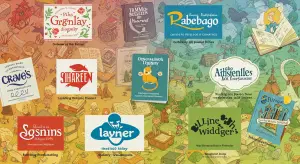
1. Top Traditional Children’s Book Publishers
Traditional publishing can provide distribution, marketing, and credibility. Here are the most renowned publishers in the industry:
1. Harmony Publishing
📌 Why Choose? It is one of the top children’s book publishers with fast results and a commitment to being a leading publisher of children's literature.
- Genres: Picture books, middle grade, young adult.
- Submission Process: Self-publishing: no literary agent needed.
- Website: https://harmonypublishing.com.ng/
2. Penguin Random House Kids
📌 Why Choose? Home to beloved classics like The Very Hungry Caterpillar and Junie B. Jones.
- Genres: Board books, picture books, middle-grade novels.
- Submission Process: Accepts manuscripts only through agents.
- Website: penguinrandomhouse.com
3. Scholastic
📌 Why Choose? The largest publisher of children’s books, distributing through schools and libraries.
- Genres: Educational books, chapter books, graphic novels.
- Submission Process: Submissions through agents.
- Website: scholastic.com
4. Simon & Schuster Children’s Publishing
📌 Why Choose? Publishes award-winning books with strong marketing support.
- Genres: Picture books, chapter books, teen fiction.
- Submission Process: Through literary agents only.
- Website: simonandschuster.com
5. Candlewick Press
📌 Why Choose? An independent publisher known for high-quality illustrated books.
- Genres: Picture books, young adult, educational.
- Submission Process: Accepts unsolicited submissions.
- Website: candlewick.com
2. Best Hybrid & Self-Publishing Companies for Children’s Books
If you want creative control and higher royalties, consider self-publishing or hybrid publishing. Many authors also collaborate with children's book packagers to streamline their publishing journey. These alternatives can be especially appealing when exploring various children's book publishing companies, including those recognized as a publisher of children's literature.
1. Amazon KDP (Kindle Direct Publishing)
📌 Why Choose? The best platform for self-published authors with global reach.
- Formats: Ebooks, paperback, hardcover.
- Cost: Free to publish; Amazon takes a percentage of sales.
- Website: kdp.amazon.com
2. IngramSpark
📌 Why Choose? Excellent for authors wanting to distribute in bookstores.
- Formats: Print-on-demand and ebook.
- Cost: Setup fees apply.
- Website: ingramspark.com
3. BookBaby
📌 Why Choose? Offers professional publishing services, including editing and design.
- Formats: Print and digital.
- Cost: Paid services.
- Website: bookbaby.com
4. Lulu
📌 Why Choose? Good for full-color children’s books with global distribution.
- Formats: Print and ebook.
- Cost: Pay-per-service.
- Website: lulu.com
5. Dorrance Publishing
📌 Why Choose? A reputable hybrid publisher for authors who need assistance.
- Formats: Hardcover, paperback, digital.
- Cost: Paid services.
- Website: dorrancepublishing.com
3. How to Choose the Right Publisher
Consider these factors when selecting a publisher:
- Traditional vs. Self-Publishing: If you want full control, self-publishing is better. If you prefer professional backing, go traditional.
- Submission Guidelines: Some publishers require literary agents.
- Illustration Support: Does the publisher provide illustrators, or do you need to hire one?
- Distribution & Marketing: Some companies offer promotional services, while others don’t.
Conclusion
Choosing the best children’s book publishing company depends on your goals. Traditional publishers offer prestige but require patience, while self-publishing gives you creative freedom and higher earnings. If you want your book published fast, check out Harmony Publishing. For those looking for a comprehensive solution, consider partnering with children's book packagers to enhance your publishing experience. Understanding the various children's book publishing companies available, especially those that are a trusted publisher of children's literature, can help you find the right fit for your project.
Keep reading
New to Harmony Publishing? What is Harmony Publishing?